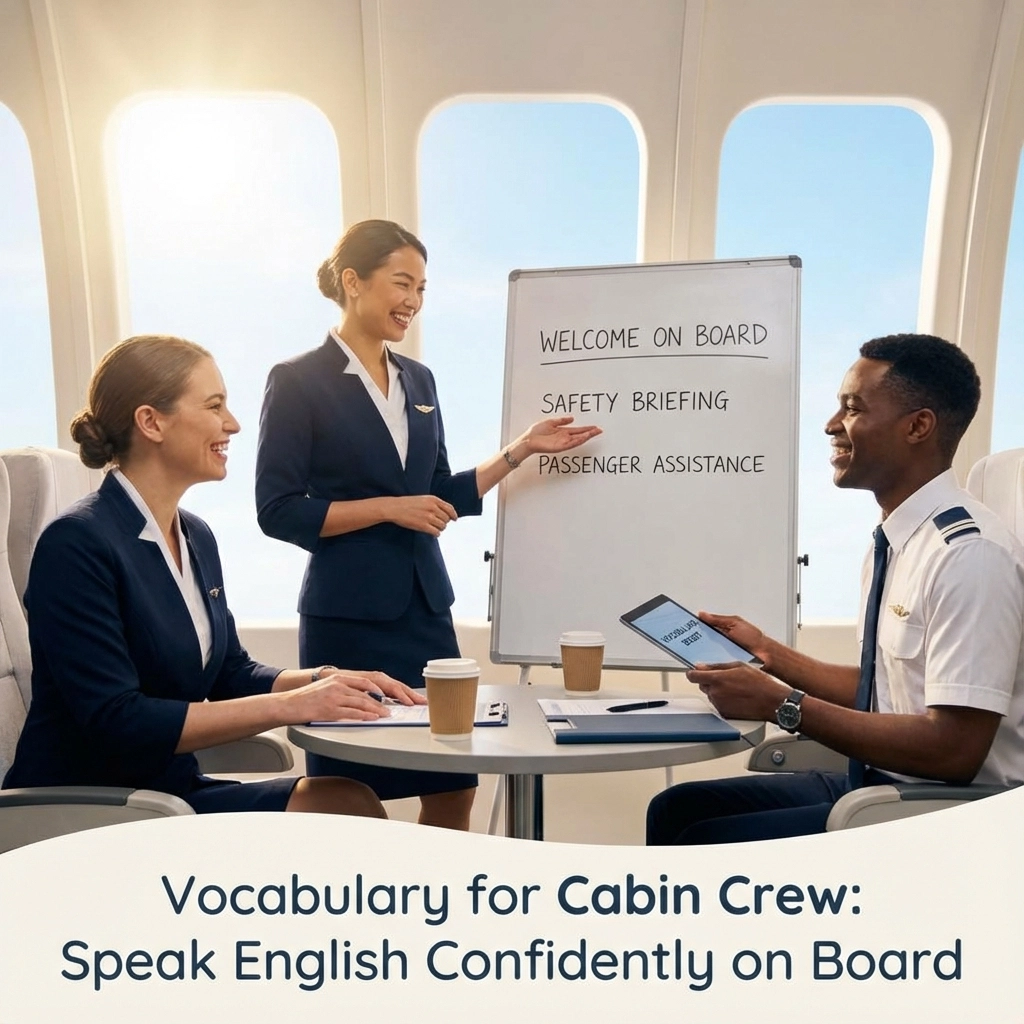
Working as cabin crew means communicating with passengers from around the world, often in high-pressure situations. Whether you're welcoming travelers aboard, explaining safety procedures, or handling emergencies, your English needs to be clear, professional, and confident.
In my experience training cabin crew members, I've seen how the right vocabulary can transform someone from nervous to naturally confident. Let's explore the essential English you need to excel in your role.
Essential Cabin Crew Roles and Terminology
Understanding your role and the team around you starts with knowing the key terms.
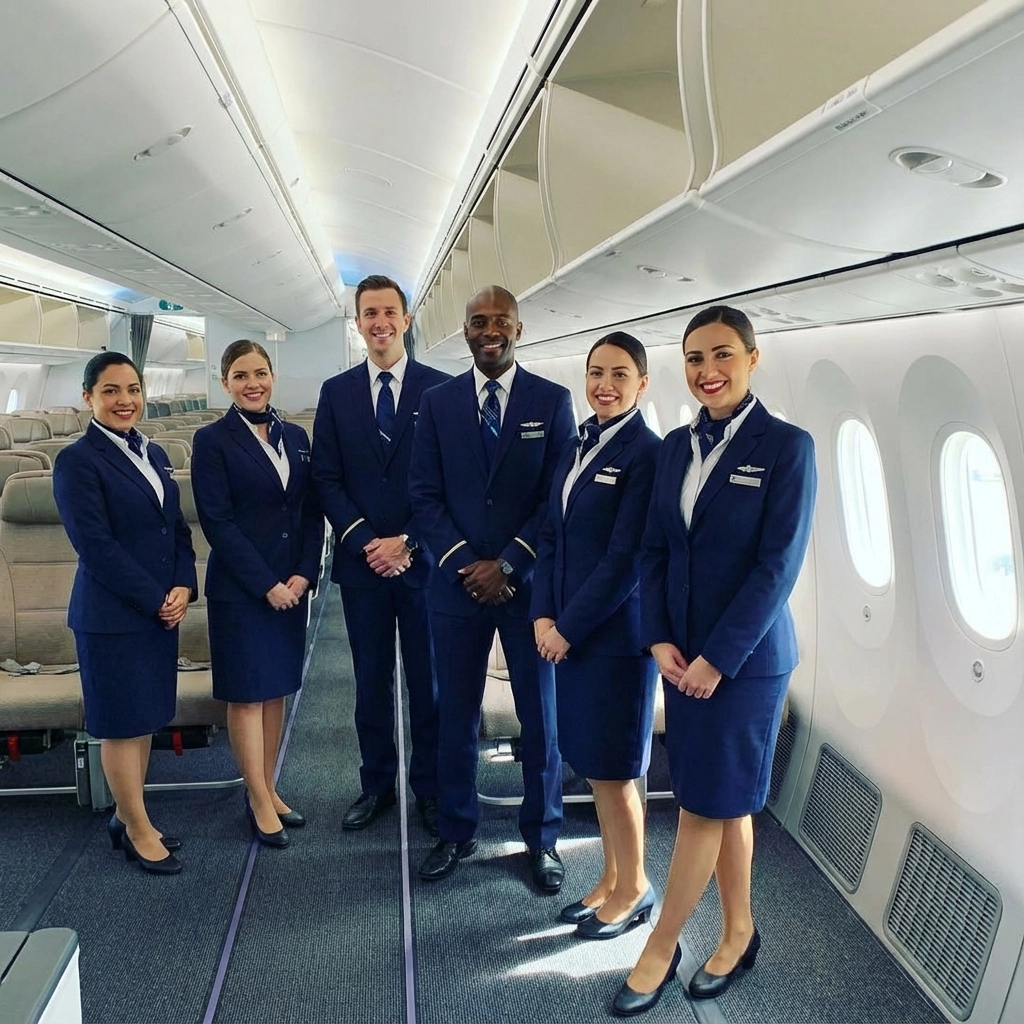
As a flight attendant (also called steward or stewardess), you're responsible for passenger safety and comfort throughout the flight. The cabin crew refers to all flight attendants working together on a specific flight.
You'll work closely with the cockpit crew – the captain and first officer who pilot the aircraft. The captain is the pilot in command, responsible for the safe operation of the entire flight.
Check-in time (also called "show time") is when you're expected to report for duty. Block time refers to the actual time from when the aircraft pushes back from the gate until it arrives at the destination gate.
A layover is your rest period at a destination, while RON (Remain Overnight) means you'll have a hotel stay between flights.
Aircraft Features Every Cabin Crew Should Know
Knowing your aircraft inside and out helps you assist passengers confidently.
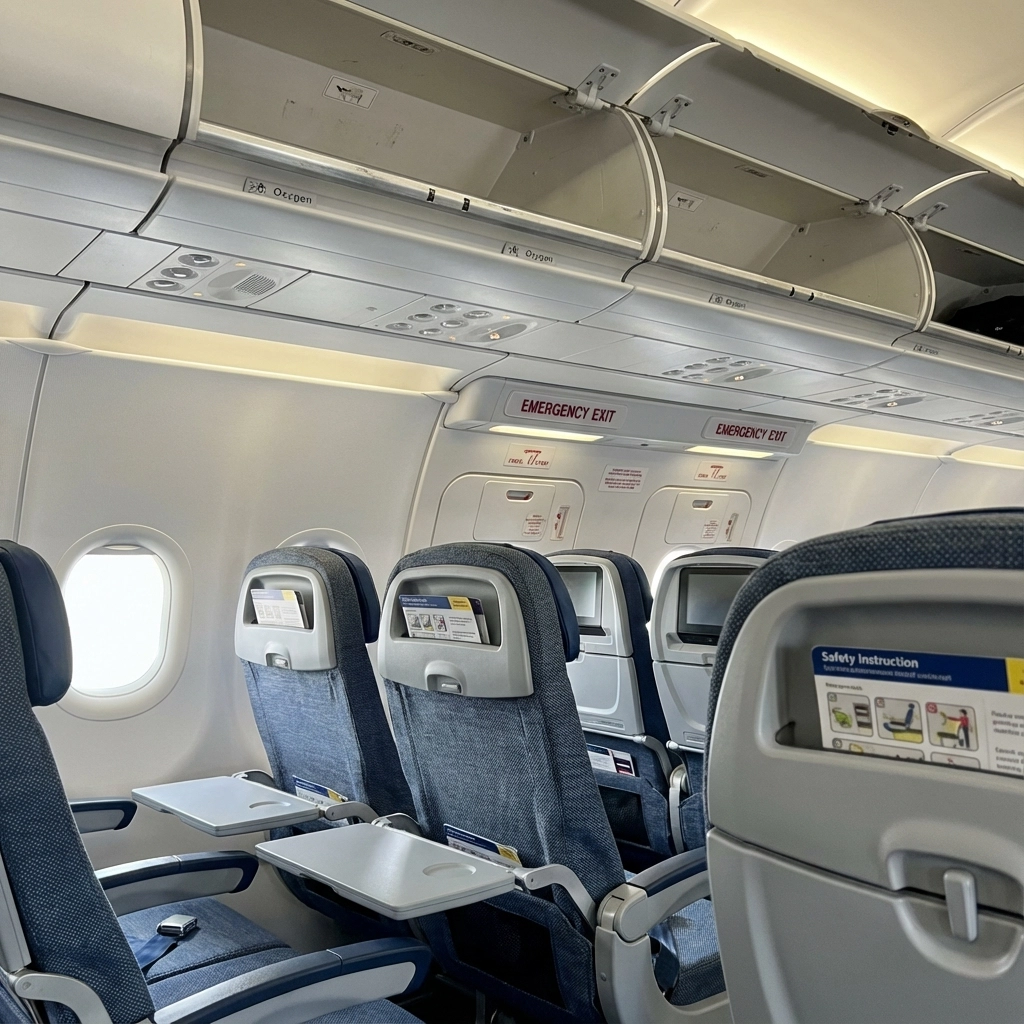
The overhead bin stores carry-on luggage above passenger seats. Aisle seats are next to the walkway, while window seats offer views but less mobility. Legroom refers to the space passengers have for their legs.
The tray table folds down from the seat in front of each passenger. Emergency exits are special doors used only during emergencies – passengers seated nearby may be asked to assist.
Turbulence is the sudden movement of aircraft, which is completely normal during flight. The landing gear refers to the airplane's wheels used during takeoff and landing.
Passenger Interaction Phrases That Build Confidence
These phrases will help you sound professional and caring from the moment passengers step aboard.
Welcoming Passengers:
- "Welcome aboard! May I see your boarding pass?"
- "Good morning! Welcome to flight 245 to London."
- "Have a wonderful flight with us today!"
Seating Assistance:
- "Let me help you find your seat."
- "I can help you store your carry-on luggage."
- "Would you like me to check if there's an aisle seat available?"
- "Could I assist you with your bag in the overhead compartment?"
Service Phrases:
- "Would you like coffee or tea?"
- "I'll be back with your drink shortly."
- "We'll be serving lunch in about 30 minutes."
- "Please let me know if you need anything else."
- "Can I bring you a blanket or pillow?"
Safety Instructions and Emergency Vocabulary
Safety is your top priority, so these phrases need to be second nature.
Pre-Flight Safety:
- "Please fasten your seatbelt."
- "Put your tray table in the upright position."
- "Turn off all electronic devices."
- "Please store your bag under the seat in front of you."
- "Make sure your seat is in the upright position."
During Flight:
- "Please remain seated with your seatbelt fastened."
- "We're experiencing some turbulence."
- "Please return to your seats immediately."
- "Keep your seatbelt fastened even when the sign is off."
Emergency Situations:
- "This is your captain speaking. Please remain calm."
- "Follow the crew member's instructions."
- "Move quickly but do not run."
- "Leave all personal belongings behind."
- "Proceed to the nearest exit."
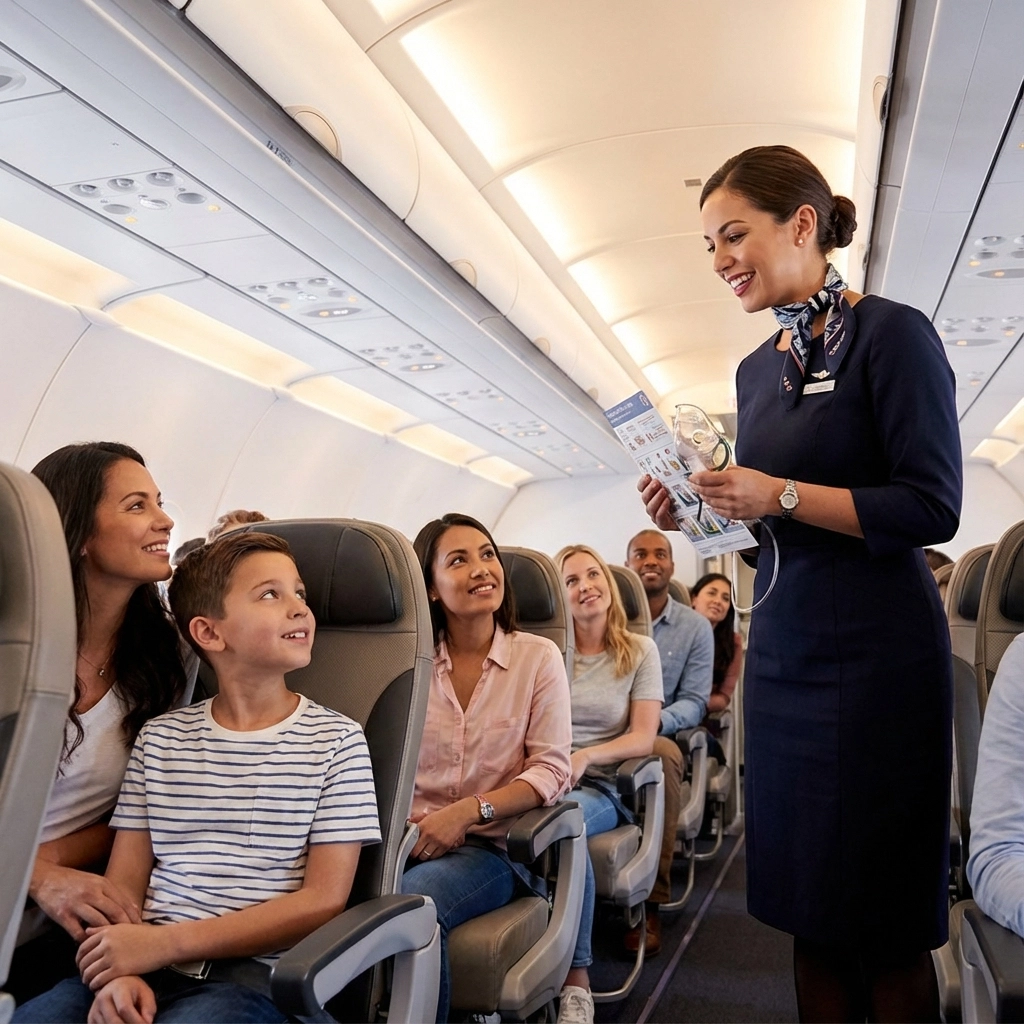
Remember, during safety demonstrations, speak slowly and clearly. Passengers need to understand every word you say.
Teamwork and Colleague Communication
Strong communication with your team ensures smooth flights and excellent passenger service.
Pre-Flight Briefing:
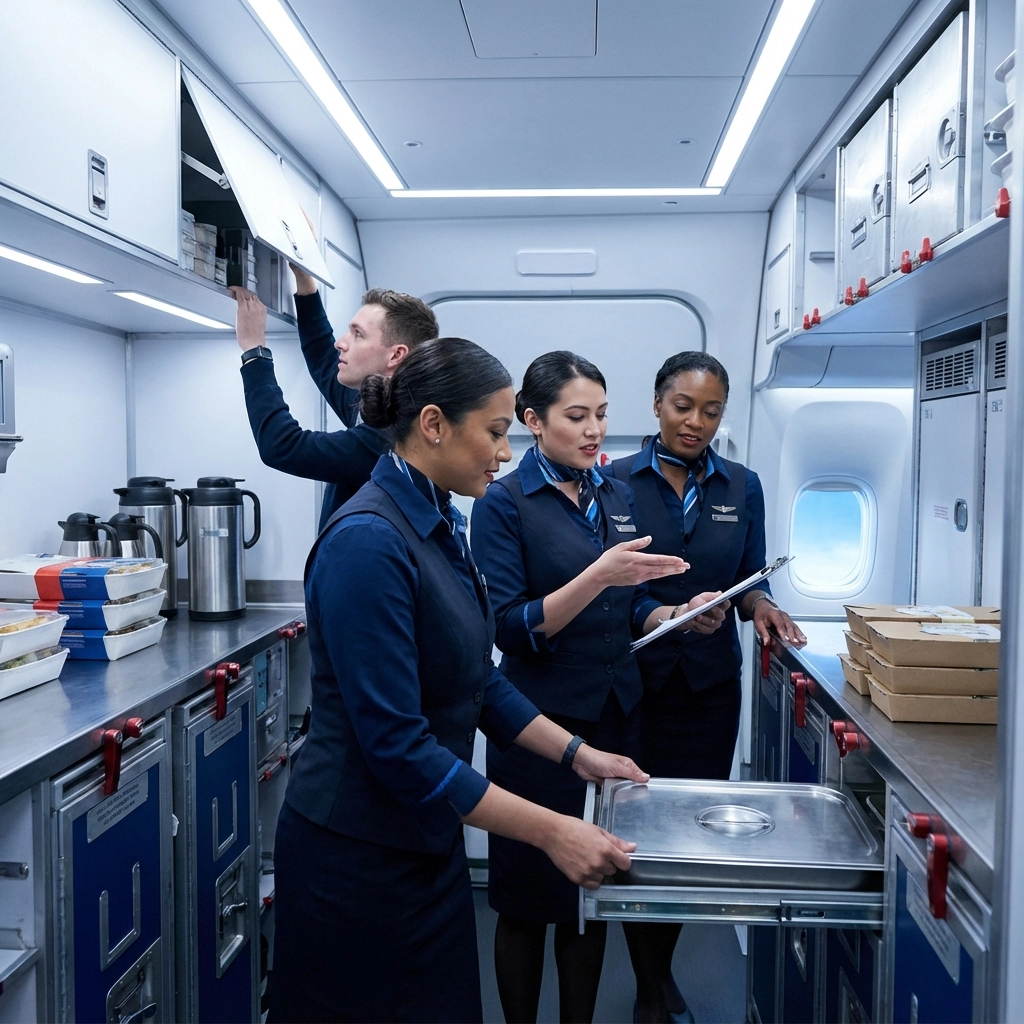
- "I'll take the forward galley today."
- "Can you handle the safety demonstration in the aft cabin?"
- "Let's coordinate meal service starting at row 15."
- "I'll assist with special dietary requirements."
During Service:
- "We need more coffee in galley 2."
- "Can you check on the passenger in 14A?"
- "I'll handle the call button in row 8."
- "We're running low on vegetarian meals."
Handling Difficult Situations:
- "I need assistance with a passenger issue."
- "Can you cover my section for five minutes?"
- "Let's inform the captain about this situation."
- "I'll document this incident in the report."
Dealing with Delays and Passenger Concerns
Flight delays and issues are inevitable. How you communicate during these times shows your professionalism.
Delay Announcements:
- "We're currently experiencing a delay. We appreciate your patience."
- "I'll update you as soon as I have more information."
- "The captain estimates we'll be boarding in 20 minutes."
- "Thank you for your understanding during this delay."
Addressing Concerns:
- "I understand your concern. Let me find a solution for you."
- "I'll speak with the captain about your question."
- "Would you like me to contact ground services for assistance?"
- "Let me see what options we have available."
Building Your Confidence with English
Confidence comes from preparation and practice. Here are my proven strategies for cabin crew members developing their English skills.
Start with the basics. Master the most common phrases first. Practice saying them aloud until they feel natural. Record yourself and listen back to check your pronunciation.
Learn passenger needs vocabulary. Passengers often ask about restrooms, Wi-Fi, arrival times, and meal options. Prepare standard responses for these common questions:
- "The restroom is located at the front of the cabin."
- "Wi-Fi is available for purchase once we reach cruising altitude."
- "Our estimated arrival time is 3:30 PM local time."
- "We have chicken or pasta available for today's meal service."
Practice with colleagues. Role-play different scenarios during your downtime. Practice emergency announcements, meal service, and handling complaints. The more you practice, the more automatic these phrases become.
Use positive body language. Even if you're not 100% confident with your English, a smile and helpful demeanor go a long way. Passengers appreciate effort and kindness.
Don't be afraid to ask for clarification. If you don't understand a passenger's request, it's perfectly professional to say, "I want to make sure I understand correctly. Could you please repeat that?"
Special Situations and Advanced Vocabulary
As you grow more confident, you'll handle increasingly complex situations.
Medical Emergencies:
- "Is there a doctor on board?"
- "Please make room for the medical professional."
- "We're preparing for a medical diversion."
- "The passenger is receiving medical attention."
Unruly Passengers:
- "Sir, I need you to lower your voice."
- "This behavior is not acceptable on this aircraft."
- "You need to return to your assigned seat immediately."
- "I'll need to involve the captain if this continues."
Special Assistance:
- "I have a wheelchair passenger boarding in row 3."
- "This passenger requires assistance during landing."
- "We have an unaccompanied minor in seat 12F."
- "The passenger has a severe peanut allergy."
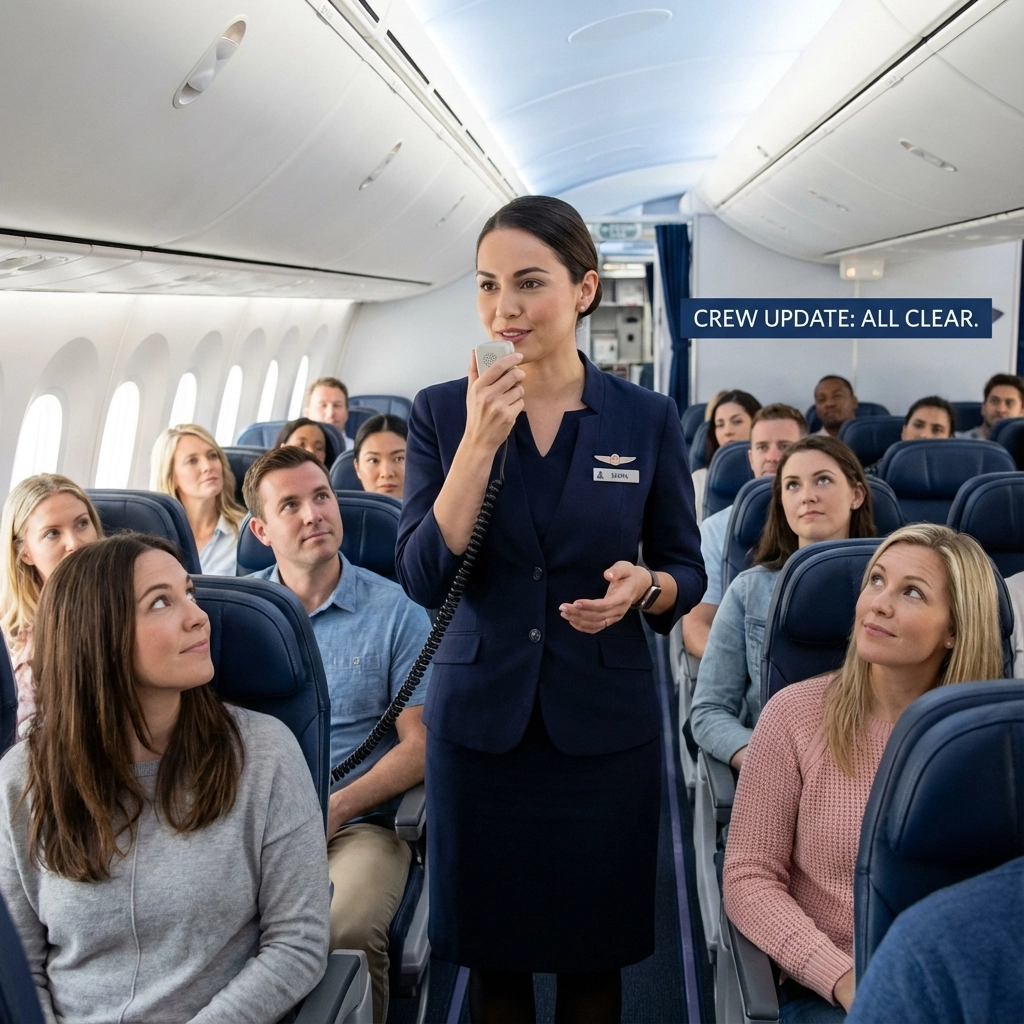
The key to mastering cabin crew English is consistent practice and confidence in your abilities. Remember, passengers want to feel safe and cared for. When you communicate clearly and professionally, you're not just doing your job – you're creating a positive travel experience.
Start with the basic phrases, practice daily, and gradually build your vocabulary. Every flight is an opportunity to improve your English skills while providing excellent service.
Your journey to confident English communication starts with taking the first step. Whether you're preparing for your first cabin crew position or looking to improve your existing skills, remember that every expert was once a beginner.