
Want to sound more British?
You're in the right place.
British English is fun. It's charming. And it's different from American English in many ways.
This guide will teach you real British words. Real British phrases. And some cool facts too.
Let's dive in.
Why Learn British English?
Here's the truth.
Over 67 million people live in the UK. Millions more speak British English around the world.
If you want to travel, work, or study in the UK, you need to know these words.
Plus, it's just fun to say "brilliant" instead of "great."
Essential British Vocabulary
Let me break this down by topic. This makes it easy to learn and remember.
Around the House
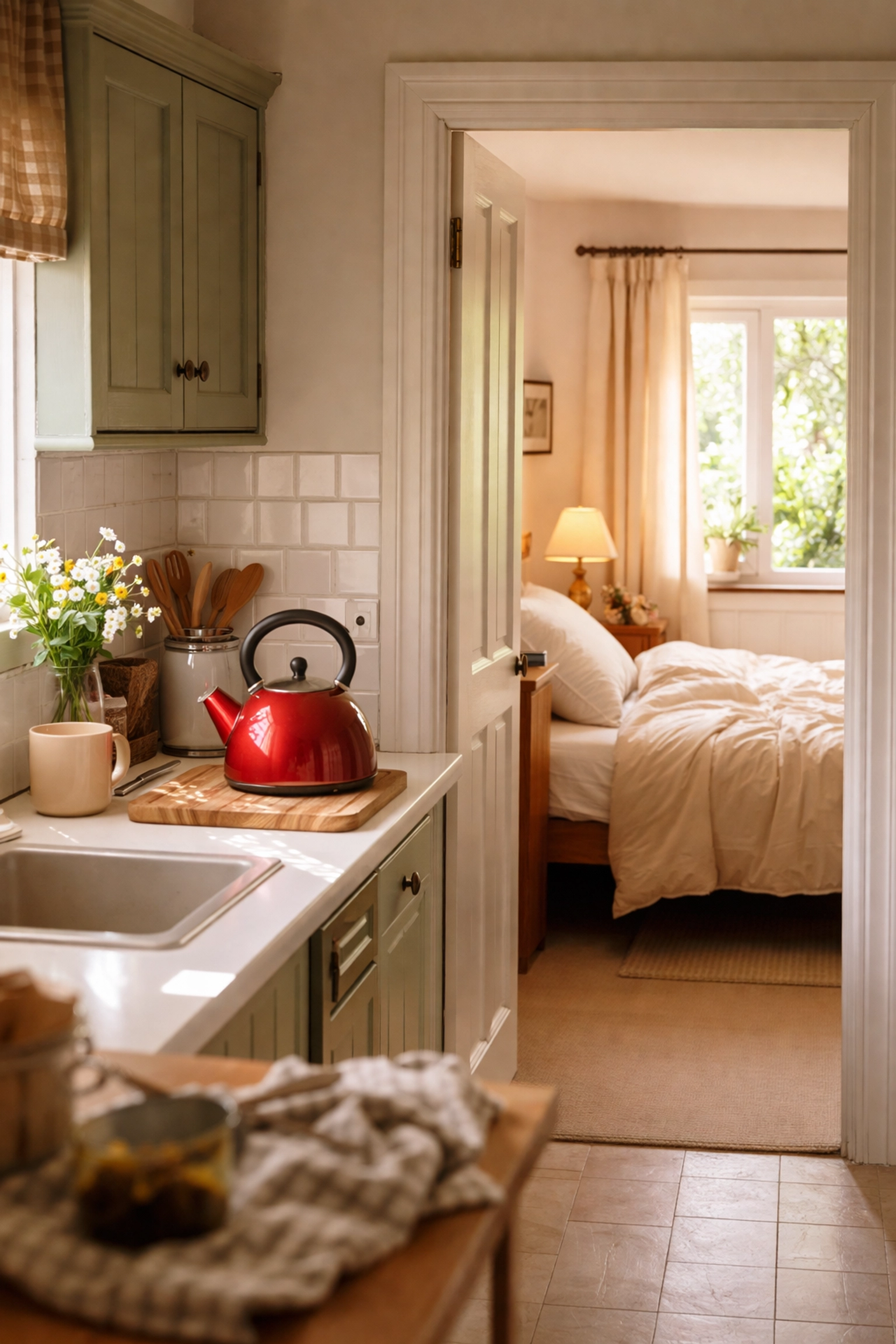
British homes have their own words. Here are the most common ones:
| British Word | Meaning | Example Sentence |
|---|---|---|
| Flat | An apartment | "I live in a small flat in London." |
| Loo | Bathroom/toilet | "Where's the loo, please?" |
| Kettle | Device to boil water | "Put the kettle on for tea." |
| Bin | Trash can | "Throw it in the bin." |
| Cupboard | Storage cabinet | "The cups are in the cupboard." |
| Torch | Flashlight | "Grab the torch. It's dark outside." |
| Duvet | Bed cover/comforter | "This duvet is so warm." |
🔊 Pronunciation tip: Listen to "cupboard" on Cambridge Dictionary. It sounds like "CUB-berd" not "cup-board."
Food and Drink
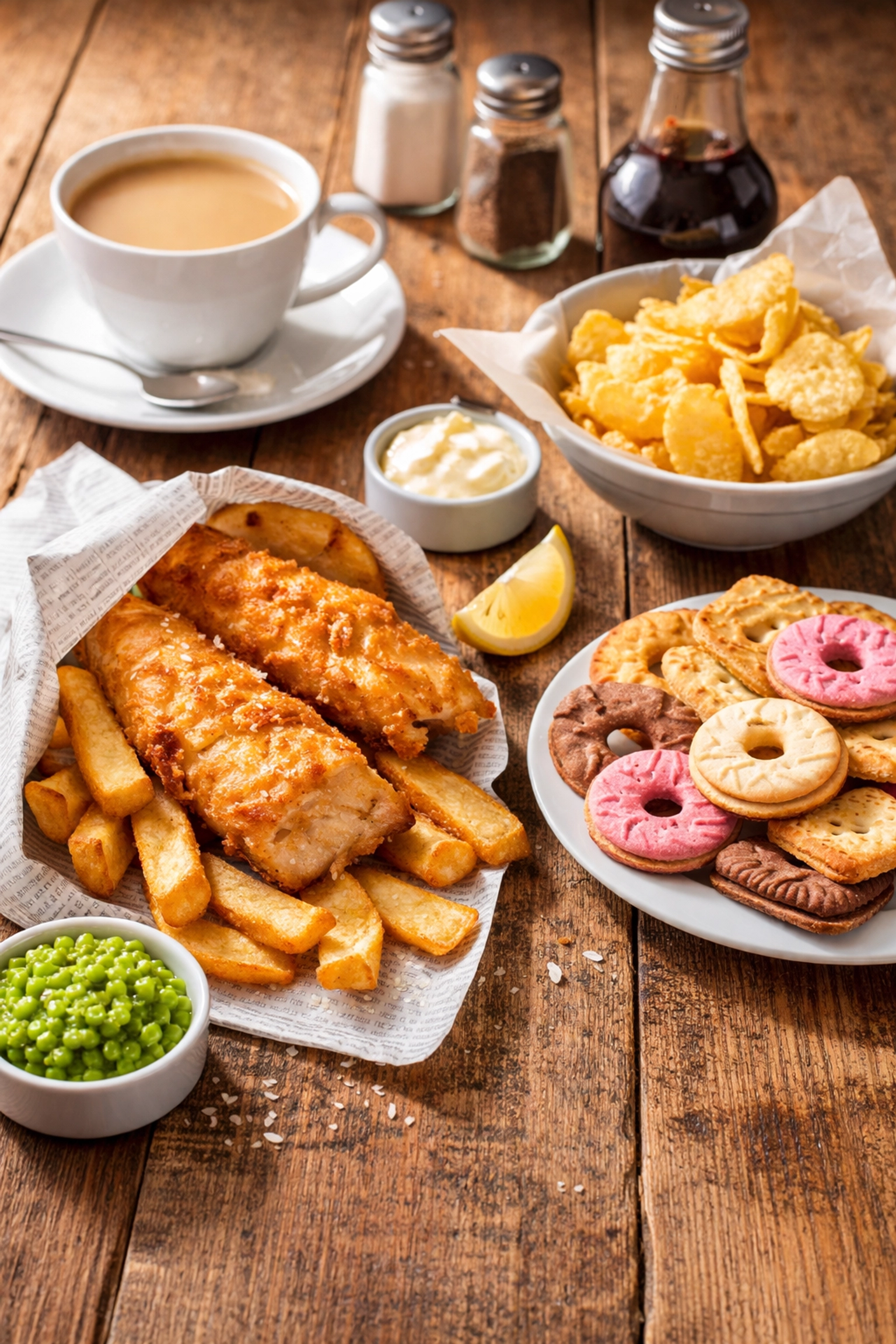
British food words confuse many learners. Here's your cheat sheet:
| British Word | Meaning | Example Sentence |
|---|---|---|
| Crisps | Potato chips | "Want some crisps with your sandwich?" |
| Chips | French fries | "Fish and chips is my favorite meal." |
| Biscuits | Cookies | "Have a biscuit with your tea." |
| Pudding | Dessert (any kind) | "What's for pudding tonight?" |
| Courgette | Zucchini | "Add courgette to the stir fry." |
| Cuppa | Cup of tea | "Fancy a cuppa?" |
🔊 Pronunciation tip: Check out "courgette" on Cambridge Dictionary. It's French origin. Say "cor-ZHET."
Getting Around
Traveling in the UK? Know these words:
| British Word | Meaning | Example Sentence |
|---|---|---|
| Petrol | Gasoline | "We need to stop for petrol." |
| Queue | A line of people | "Join the queue over there." |
| Trolley | Shopping cart | "Grab a trolley at the entrance." |
| Trainers | Sneakers | "Wear your trainers for the walk." |
| Tube | London underground train | "Take the Tube to Oxford Street." |
| Zebra crossing | Crosswalk | "Use the zebra crossing to cross safely." |
🔊 Pronunciation tip: "Queue" sounds like the letter "Q." Just one sound. Listen on Cambridge Dictionary.
Popular British Idioms
Now for the fun stuff.
Idioms are phrases that don't mean what they literally say. British people use them all the time.
Here are 7 you should know:
1. "Bob's your uncle"
Meaning: And there you have it! It's done.
Example: "Add the eggs, mix it up, and Bob's your uncle. Perfect cake."
2. "It's not my cup of tea"
Meaning: It's not something I like.
Example: "Horror films aren't my cup of tea."
3. "Cost an arm and a leg"
Meaning: Very expensive.
Example: "That new phone costs an arm and a leg."
4. "Chuffed to bits"
Meaning: Very happy or pleased.
Example: "I'm chuffed to bits with my exam results."
5. "Take the mickey"
Meaning: To make fun of someone.
Example: "Stop taking the mickey out of my accent!"
6. "Piece of cake"
Meaning: Something very easy.
Example: "The test was a piece of cake."
7. "Under the weather"
Meaning: Feeling sick or unwell.
Example: "I'm feeling a bit under the weather today."

Useful Daily Phrases
Want to sound like a local? Use these phrases:
Greetings:
- "Hiya!" = Hi there!
- "You alright?" = How are you? (Just say "Yeah, you?" back)
- "Cheers!" = Thanks!
Making requests:
- "Fancy a cuppa?" = Want a cup of tea?
- "Could I pop by later?" = Can I visit quickly later?
- "Mind if I…?" = Is it okay if I…?
Saying goodbye:
- "Ta-ra!" = Goodbye (common in the North)
- "See you later!" = Bye for now
- "Take care!" = Stay safe
Expressing feelings:
- "Brilliant!" = Great!
- "Lovely!" = Wonderful!
- "That's rubbish." = That's bad/not true
Fun Facts About British English
Let me share some cool facts. These will impress your friends.
Fact 1: There Are Over 40 Regional Accents
The UK is small. But it has many accents.
Someone from Liverpool sounds different from someone in London. A person from Scotland sounds different from someone in Wales.
Even towns 20 miles apart can sound different!
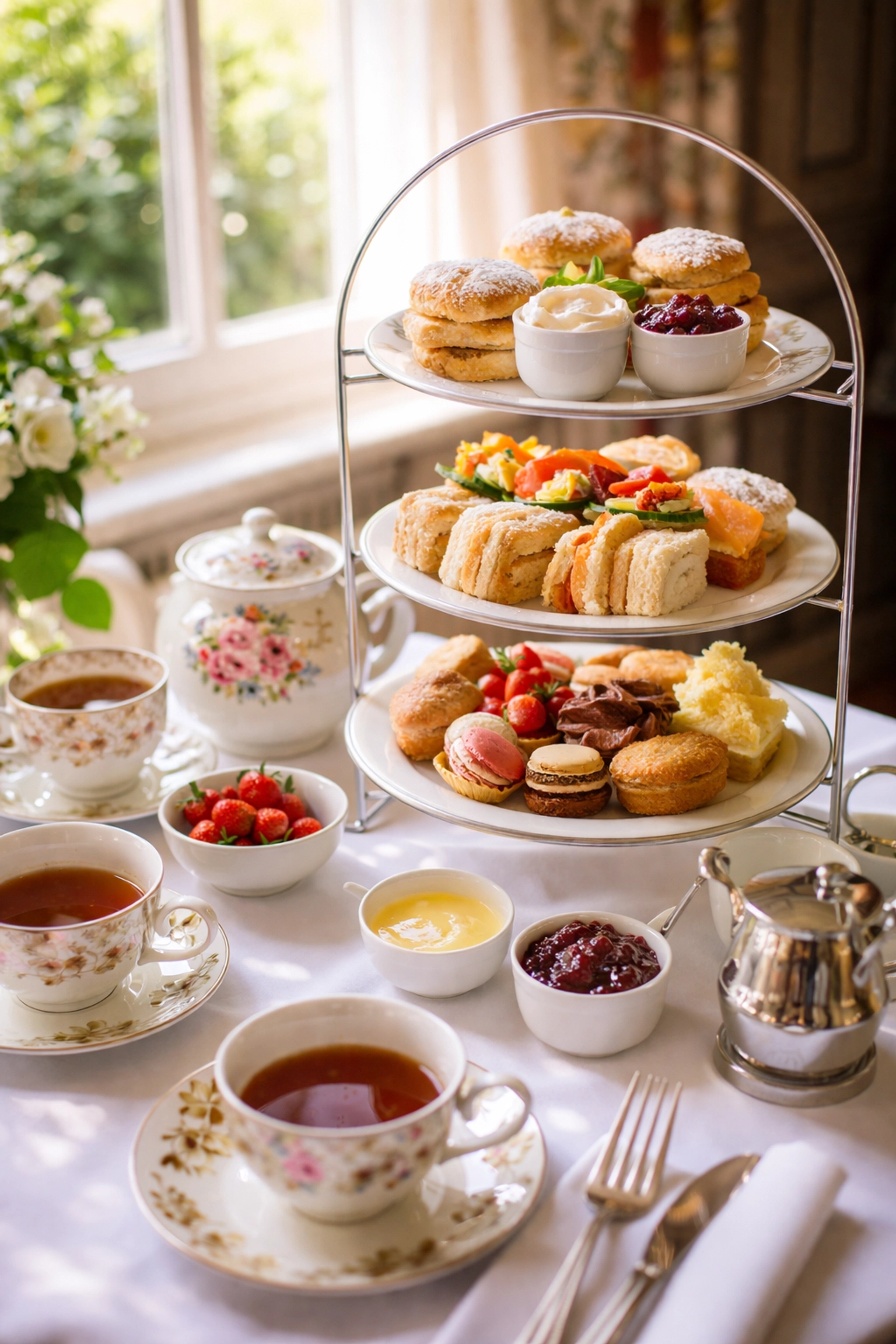
Fact 2: British People Drink 100 Million Cups of Tea Per Day
Tea is serious business in the UK.
That's why phrases like "cuppa" and "put the kettle on" are so common.
Tea time is real. And it's important.
Fact 3: "Bloody" Is a Very British Word
Americans rarely say "bloody." British people say it all the time.
"Bloody brilliant!" means something is amazing.
"Bloody awful!" means something is terrible.
It adds emotion to any sentence.
Fact 4: The Word "Sorry" Is Used Constantly
British people say "sorry" a lot. Even when it's not their fault.
Someone bumps into them? "Sorry!"
Need to get past someone? "Sorry!"
It's polite. It's British. It's everywhere.
Fact 5: English Spelling Rules Were Made in England
Words like "colour," "favourite," and "centre" are the original spellings.
American English changed them later.
So when you see "colour" with a "u," that's the British way.
Bonus Speaking Task
Time to practice!
Here's your challenge:
- Pick 3 new British words from this guide
- Record yourself using each word in a sentence
- Share your video or audio in our community
Get feedback from teachers and other learners. It's the fastest way to improve.
Example sentences to try:
- "I had fish and chips for dinner. They were brilliant!"
- "Fancy a cuppa? I just put the kettle on."
- "The queue at the shop was so long today."
Don't be shy. We all start somewhere.
The more you practice, the more natural it sounds.
Quick Reference Chart
Here's a simple comparison to save:
| British | American |
|---|---|
| Flat | Apartment |
| Holiday | Vacation |
| Trainers | Sneakers |
| Biscuit | Cookie |
| Chips | Fries |
| Crisps | Chips |
| Petrol | Gas |
| Loo | Bathroom |
| Rubbish | Garbage |
| Mobile | Cell phone |
Start Speaking British English Today
You now have the vocabulary. The idioms. The phrases.
All that's left is practice.
Use one new word today. Then add another tomorrow.
Before you know it, you'll sound brilliant.
Cheers, and have a lovely day!