
The holiday season is here, and you’re probably thinking about all those Christmas parties, family gatherings, and festive conversations coming up. If you’re learning English, this time of year can feel both exciting and a little nerve-wracking.
Don’t worry – I’ve got you covered! In my experience teaching English learners, Christmas vocabulary is some of the most practical and enjoyable language you can master. These words and phrases will help you connect with English speakers during the most wonderful time of the year.
Let’s dive into everything you need to speak confidently about Christmas, from basic vocabulary to conversation starters that will make you shine at any holiday gathering.
Essential Christmas Characters and Figures
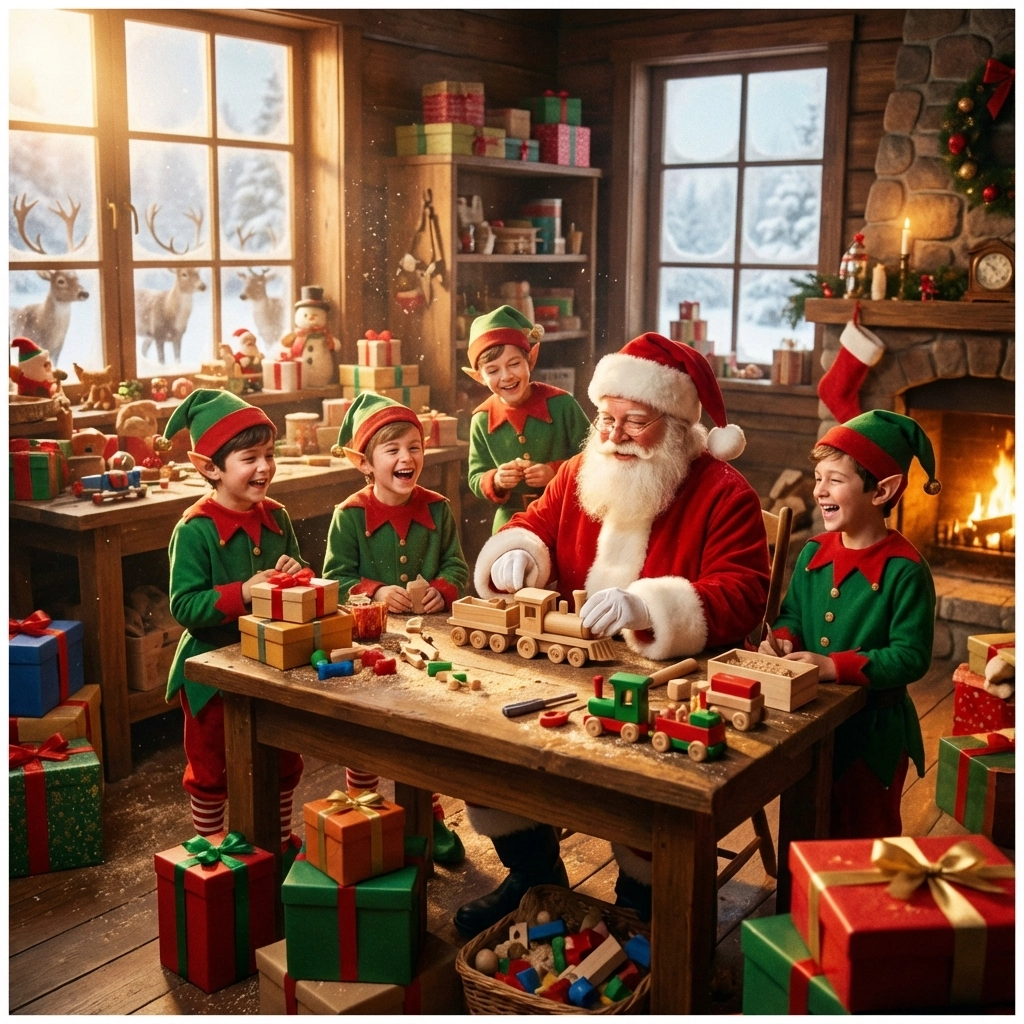
Let’s start with the people and characters that make Christmas special. Santa Claus (also called Father Christmas or Saint Nicholas) is the jolly man in red who brings gifts to children. His helpers, called elves, work in his workshop at the North Pole. These small, magical creatures have pointed ears and help Santa make toys.
Don’t forget about reindeer – these are the animals that pull Santa’s sleigh through the sky. The most famous reindeer is Rudolph, who has a red nose that glows.
In the religious story of Christmas, Jesus Christ is the central figure, born in Bethlehem. Other important people include Mary (Jesus’s mother), Joseph (his earthly father), and the Magi or wise men who brought gifts of gold, frankincense, and myrrh.
Decorations and Holiday Items
Christmas wouldn’t be Christmas without beautiful decorations. Here are the words you’ll hear everywhere during the season:
The Christmas tree is the centerpiece of most homes. People decorate or trim the tree with ornaments (colorful balls and decorative items), tinsel (shiny, thin strips), and lights that twinkle and glow.
Other popular decorations include wreaths (circular arrangements of greenery), garlands (long decorative chains), stockings (large socks hung by the fireplace), and mistletoe (a plant that people hang up – if you’re caught under it with someone, tradition says you should kiss!).
Many homes also display a nativity scene or manger – a small recreation of Jesus’s birth scene.
Christmas Food and Drinks
Food plays a huge part in Christmas celebrations. Eggnog is a rich, creamy holiday drink that’s very popular in English-speaking countries. Hot cocoa or hot chocolate with marshmallows helps keep you warm on cold winter days.
Traditional Christmas treats include gingerbread cookies (often shaped like people or houses), candy canes (red and white striped candies shaped like walking sticks), and Christmas pudding or Yule log (special holiday desserts).
The main Christmas meal is often called a feast – a large, elaborate dinner with family and friends.
Festive Adjectives to Describe the Season
Want to sound like a native speaker? Use these descriptive words to capture the Christmas spirit:
Merry and jolly describe the happy, cheerful feeling of Christmas. You’ll hear “Merry Christmas!” everywhere you go.
Cozy and warm describe the comfortable feeling of being inside during cold weather, perhaps sitting by a fireplace with crackling logs.
Magical, enchanting, and wonderful capture that special Christmas feeling that’s hard to explain but easy to feel.
Weather-related words include snowy, frosty, icy, and chilly. A white Christmas means snow falls on Christmas Day, creating a winter wonderland.

Common Christmas Phrases and Expressions
Here are the phrases you’ll hear most often during the holidays:
Greetings:
- “Merry Christmas!” – the most common Christmas greeting
- “Happy holidays!” – includes Christmas and New Year
- “Season’s greetings!” – a formal way to wish someone well
Popular expressions:
- “‘Tis the season” – means “this is the right time” for holiday activities
- “Deck the halls” – to decorate your home for Christmas
- “Christmas cheer” – the happy, generous spirit of the season
- “Ho ho ho!” – Santa’s signature laugh
Christmas Activities and Traditions
Understanding Christmas activities will help you join conversations about holiday plans. People wrap gifts (put paper around presents) and place them under the tree. On Christmas morning, families unwrap or open gifts together.
Many people go Christmas shopping at the mall or online to buy presents for family and friends.
Caroling means going door-to-door singing Christmas songs or Christmas carols. Popular carols include “Silent Night,” “Jingle Bells,” and “White Christmas.”
Families often gather for Christmas dinner, and many people attend church services on Christmas Eve or Christmas Day.

Practical Speaking Tips for Holiday Conversations
Now let’s put this vocabulary into action! Here are some conversation starters and responses you can use:
At a Christmas party:
- “How are you celebrating Christmas this year?”
- “Do you have any special Christmas traditions?”
- “Your decorations are beautiful!”
- “This eggnog is delicious!”
When someone asks about your plans:
- “We’re having a quiet Christmas at home.”
- “I’m visiting family for the holidays.”
- “We always go to midnight mass on Christmas Eve.”
Shopping conversations:
- “I’m looking for something for my sister.”
- “Do you have any gift recommendations?”
- “Where’s the best place to buy Christmas decorations?”
Building Your Confidence
Remember, Christmas is a time of joy and generosity – people are usually extra patient and friendly during the holidays. Don’t worry about making mistakes. In my experience, English speakers love sharing their Christmas traditions with visitors and language learners.
Here are my top tips for confident Christmas conversations:
Start small. Practice basic greetings like “Merry Christmas” until they feel natural.
Ask questions. People love talking about their Christmas traditions. Questions like “How do you celebrate Christmas?” can lead to wonderful conversations.
Share your own traditions. Even if you don’t celebrate Christmas, you can share how you celebrate the New Year or other winter holidays in your culture.
Use compliments. Comments like “Your tree is beautiful” or “This food is amazing” are always welcome.
Making Christmas Connections
The beauty of learning Christmas vocabulary goes beyond just words – it’s about connecting with people and cultures. Christmas celebrations vary greatly even among English-speaking countries, so don’t be afraid to ask about local traditions.
In my experience teaching students from around the world, I’ve seen how mastering holiday vocabulary opens doors to deeper friendships and cultural understanding. When you can confidently participate in Christmas conversations, you’re not just speaking English – you’re joining a community.
Remember, the Christmas spirit is about kindness, generosity, and bringing joy to others. Your effort to speak English and participate in holiday conversations is a gift in itself.
Whether you’re attending your first Christmas party or just want to chat with English-speaking friends about their holiday plans, this vocabulary will serve you well. Practice these words and phrases, and you’ll find yourself speaking with confidence throughout the holiday season.
Have a wonderful holiday season, and remember – every conversation is a chance to practice and improve. Merry Christmas!